Birds Georgia
  • Home
  • Our Programs
    • Conservation >
      • Wildlife Sanctuary Program
      • Habitat Restoration >
        • Q&A Habitat Restoration
      • Habitat Stewardship Program
      • Private Lands Birding Trail
      • Building Collisions >
        • Project Safe Flight
        • Lights Out Georgia
    • Education >
      • Learn
      • For Educators >
        • School Programs
        • Learning About Birds Curriculum
        • Professional Development
        • Connecting Students with STEM Through Birds
      • For Youth >
        • Georgia Urban Ecologists
        • Scouts
        • Homeschool
        • Youth Birding Competition
        • Camp Talon
      • Master Birder Program
      • Beloved Naturalist
    • GA Birding Trail
    • Bird City Georgia
    • Program Requests
  • Ways to Give
    • Become a Member
    • Donate
    • Leadership Giving
    • Planned Giving
    • Sponsorship Opportunities
    • Shop our Online Store
  • Get Involved
    • Membership >
      • Member Login
    • Volunteer
    • Community Science
  • Events & Travel
    • Field Trips
    • Upcoming Events
    • Birds Georgia at Manuel's Tavern
    • Early Birds Book Club
    • Travel >
      • St. Marks and the Florida Panhandle
      • South Dakota 2026
      • Brazil 2026
      • Pacific Northwest 2026
  • About Us
    • Centennial Celebration
    • News and Stories >
      • Press Room
      • Newsletters
      • News Feed
    • Our Mission
    • Board and Staff
    • Job Opportunities
    • Contact or Visit Us
  • Resources
    • Birding Resources >
      • Birding Sites in Georgia
      • Accessibility
      • Georgia Birding Network
      • Why Birds?
    • Habitat Resources >
      • Best Management Practices
      • Sanctuary Resources
      • Plants for Birds
    • Injured/Orphaned Birds
    • Resources for Educators
    • Conservation Career Resources
    • Threats to Birds >
      • Climate Change
      • Collision Resources
      • Coffee and Chocolate
      • Species of Concern >
        • Chuck-will's-widow
        • Ruby-throated Hummingbird
        • Chimney Swift
        • Wood Thrush
        • Brown-headed Nuthatch

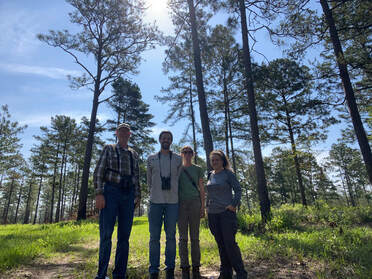
Photo by Heather Levy.

Private lands BirdIng Trail

Birds Georgia is excited to launch a state-wide Private Lands Birding Trail to increase access to private lands for birders and other recreational wildlife viewers. The goals are to promote recreational access that enables land stewards to showcase their lands while simultaneously enabling birders to learn more about habitat management. With 93 percent of Georgia lands under private ownership, this program  also provides a unique opportunity to increase our knowledge of bird species distribution and habitat use in the state, especially for declining and cryptic species. Birders and wildlife viewers are encouraged to use community science platforms, like eBird and iNaturalist, to document their flora and fauna observations. 

For Landowners

We understand that there are many other activities taking  place on working lands, and, as such, landowners who enroll in this program may choose which hours and dates work best for them. Landowners may also generate income through the requirement of parking or entry fees, but please note that if a fee is required, the landowner is no longer protected under the Georgia Recreational Property Act. 

Landowners interested in volunteering their properties as sites on the trail must meet the following requirements:
  • Property must be at least 10 acres in size (If smaller than 10 acres, please describe how your property represents exceptional habitat, wildlife, or provides a unique wildlife watching experience in the description section below).
  • Property must contain a built road or trail system that the public can easily access for hiking.
  • Property must contain a designated parking area for the public. This does NOT need to be a gravel or paved lot.
  • A map of the property boundary, trail(s), road(s), and parking area needs to be uploaded (see below) and visibly posted on the property.
 
If you are a landowner interested in having your property become part of the Private Lands Birding Trail, please fill out the application below. Once applications have been reviewed, landowners will need to co-sign an agreement with Birds Georgia outlining responsibilities.. Landowners may remove their property from the trail for any reason at any time with written notice to the Stewardship Coordinator.

Enrolled properties will be added below with details. Depending on availability, a Birds Georgia staff member or volunteer may be able to come out to your property to host a bird walk.

For Birders and Wildlife Viewers
     
As sites are added to this page, please be sure to carefully review access dates/hours and entry fees. 

An eBird hotspot will be created for each site. We highly encourage birders to report their sightings on eBird and link their checklists to the specific hotspots so that landowners have easy access to view what has been seen on their properties. We also encourage the use of iNaturalist to document other flora and fauna sightings. If you suspect something is rare, please obscure the sighting.
 
If you have any questions, please email Sarah Manning.  ​​
​
Read the Landowner Agreement
Complete Application Form

Private Lands BIrding Trail Locations

Kennedy Pond Conservancy - Statesboro
Address: 6770 GA Highway 46, Statesboro, GA, 30458

Access Dates/Hours: 365 days/year from dawn to dusk

Description: Once heavily forested with old-growth cypress and fringed with black gum, Kennedy Pond is a spring-fed Carolina bay wetland that was logged and dammed during the last century in an attempt to create an open-water lake and leisure community. A Carolina bay is an elliptical wetland unique to the East Coast of the United States, and known for its distinct hydrology and geology. These elements form a niche micro-ecosystem supporting a rich diversity of plant and animal species.

Kennedy Pond is a significant ecological site in Bulloch County, and is among the largest of its kind in Georgia, including areas of open water, marsh, shrub bog, cypress forest, and fringe tupelo swamp. This major inland wetland serves as an important refuge and watering area for all manner of wildlife, including wintering grounds for ducks, as well as a nesting and stopover site for more than 150 resident and migrant bird species.

Pond species including fish, turtles, sirens, frogs, beaver, otter, and alligators;
land species including deer, bobcat, rabbits, possum, turtles.

Over 175 migratory and resident birds including night jars, owls, hawks, and ducks.

Website: https://kennedypondconservancy.org/

Accessible Acreage: 30

Number of Trails: 3

Total hiking Trail Miles: 3

Contact Information: [email protected]

Fee: $5 parking donation box

Lodging: primitive camping, RV sites with electric and water access

Photos used with permission of Kennedy Pond Conservancy
Oxford family Farm - Culloden
Address: 332 Oxford Road, Culloden, GA, 31016

Access Dates/Hours: By appointment only. 

Description: The property is a multi generational farm in the middle Georgia area.  Habitat types include open pine forests, bottomland and upland hardwood forests, swamp and numerous open grassy fields.

Website: None

Accessible Acreage: 1,900

Number of Trails: 5

Total Hiking Trail Miles: 16

Contact Information: Please contact Mike Harrell via email to schedule a visit.

Fee: None

Lodging: Yes - fully remodeled 3 bedroom/2 bathroom available for overnight stays

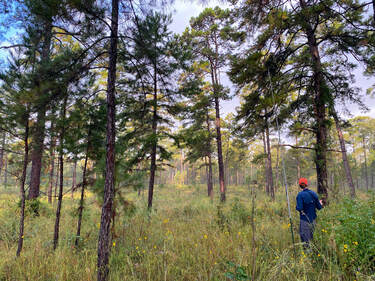
Photos used with permission of Oxford Family Farm.

Picture
Picture
Picture
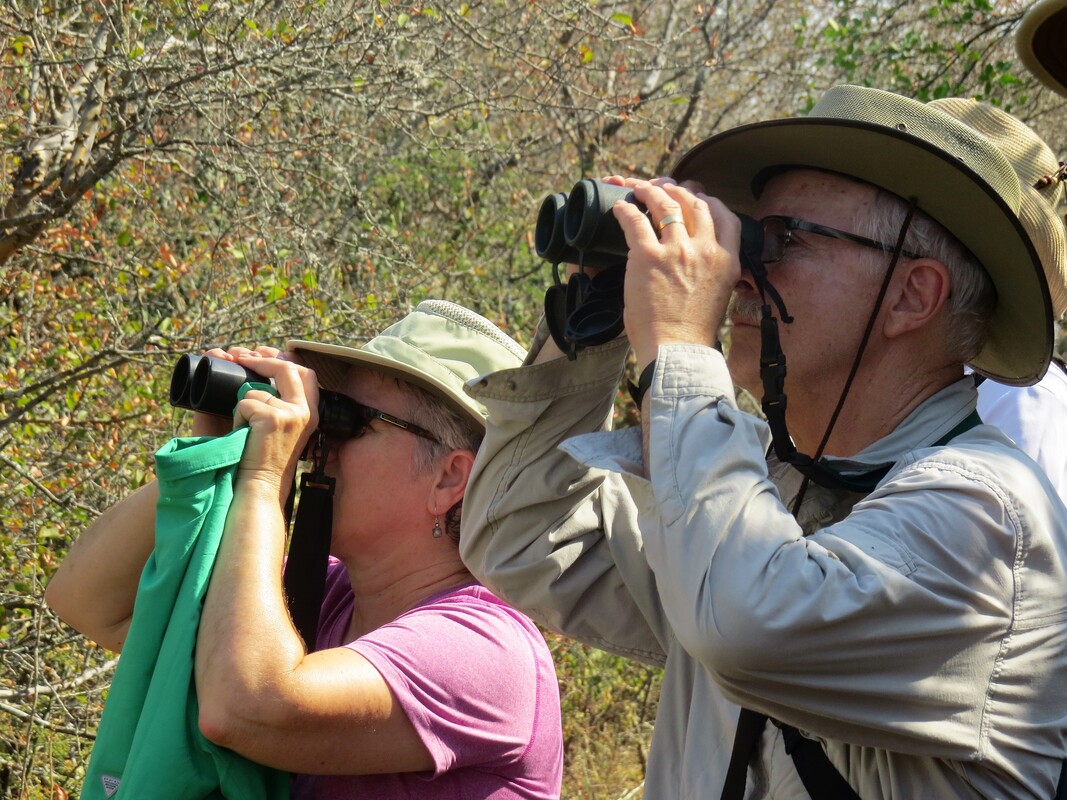
Photos by Heather Levy and Adam Betuel.

Picture
825 Warner St. SW
Suite B
Atlanta, GA 30310​678-973-2437
Birds Georgia is a member-supported, 501c3 nonprofit organization building places where birds and people thrive. We create bird-friendly communities through conservation, education, and community engagement.
About Us | Donate | Join | Login to my account | ​Shop
Log in to Morgens Environmental Education Gateway
Picture
Ask Chippy Your Bird Related Questions
  • Home
  • Our Programs
    • Conservation >
      • Wildlife Sanctuary Program
      • Habitat Restoration >
        • Q&A Habitat Restoration
      • Habitat Stewardship Program
      • Private Lands Birding Trail
      • Building Collisions >
        • Project Safe Flight
        • Lights Out Georgia
    • Education >
      • Learn
      • For Educators >
        • School Programs
        • Learning About Birds Curriculum
        • Professional Development
        • Connecting Students with STEM Through Birds
      • For Youth >
        • Georgia Urban Ecologists
        • Scouts
        • Homeschool
        • Youth Birding Competition
        • Camp Talon
      • Master Birder Program
      • Beloved Naturalist
    • GA Birding Trail
    • Bird City Georgia
    • Program Requests
  • Ways to Give
    • Become a Member
    • Donate
    • Leadership Giving
    • Planned Giving
    • Sponsorship Opportunities
    • Shop our Online Store
  • Get Involved
    • Membership >
      • Member Login
    • Volunteer
    • Community Science
  • Events & Travel
    • Field Trips
    • Upcoming Events
    • Birds Georgia at Manuel's Tavern
    • Early Birds Book Club
    • Travel >
      • St. Marks and the Florida Panhandle
      • South Dakota 2026
      • Brazil 2026
      • Pacific Northwest 2026
  • About Us
    • Centennial Celebration
    • News and Stories >
      • Press Room
      • Newsletters
      • News Feed
    • Our Mission
    • Board and Staff
    • Job Opportunities
    • Contact or Visit Us
  • Resources
    • Birding Resources >
      • Birding Sites in Georgia
      • Accessibility
      • Georgia Birding Network
      • Why Birds?
    • Habitat Resources >
      • Best Management Practices
      • Sanctuary Resources
      • Plants for Birds
    • Injured/Orphaned Birds
    • Resources for Educators
    • Conservation Career Resources
    • Threats to Birds >
      • Climate Change
      • Collision Resources
      • Coffee and Chocolate
      • Species of Concern >
        • Chuck-will's-widow
        • Ruby-throated Hummingbird
        • Chimney Swift
        • Wood Thrush
        • Brown-headed Nuthatch